How to Build an OTT Platform: The Order Things Actually Happen In
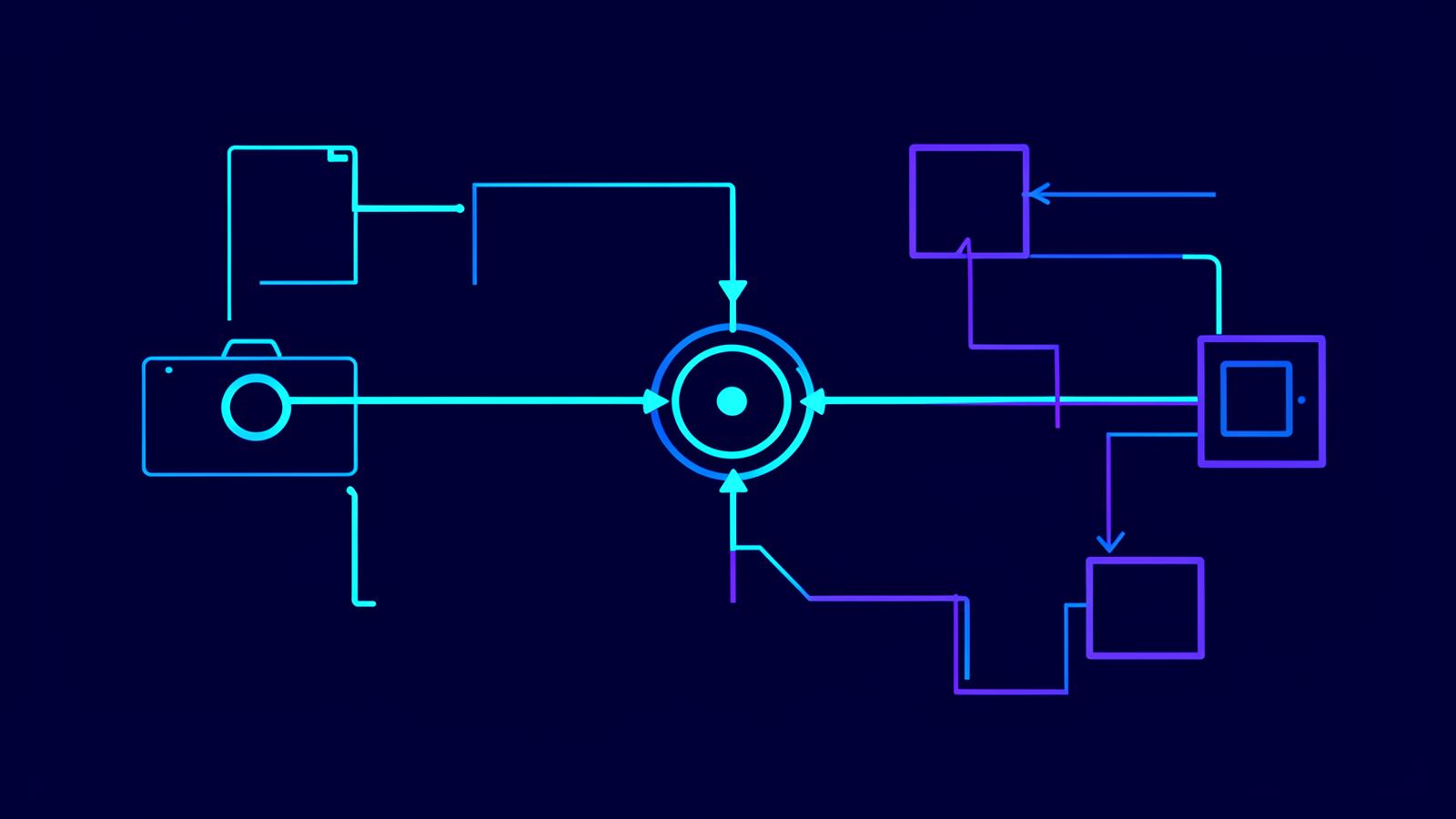
Every guide on this topic gives you the same diagram: ingest, transcode, storage, CDN, DRM, player, apps, billing, analytics. It is accurate and almost useless, because it tells you what exists without telling you what to do first.
Here is the order we usually see work, based on launches that went smoothly and a few that did not.
Start with rights, not technology
Before anyone touches a transcoder, write down what you are allowed to do with each piece of content. Territories. Windows. Whether you can put ads against it. Whether downloads are permitted. Whether a title has to come down on a specific date.
This matters early because it determines your architecture. Territory restrictions mean geo-blocking at the CDN and a rights model in your catalogue. Download rights mean offline DRM, which is a different licence configuration than streaming. Ad rights determine whether AVOD is even on the table.
Teams that skip this step tend to discover it three weeks before launch, when legal reads the rollout plan.
Then decide how you make money
Subscription, transactional, ad-supported, or some combination. This is a business decision with heavy technical consequences.
SVOD needs recurring billing, dunning, plan changes, proration, and a churn dashboard you will look at every Monday. TVOD needs a rental clock, per-title entitlement, and a purchase flow that works on a TV remote. AVOD needs an ad server integration, server-side ad insertion if you care about blockers, and enough inventory to be worth the effort.
Pick one to launch with. Hybrid models are common and fine, but launching with all three at once triples your QA surface for no learning benefit.
Get one file playing end to end
Before you build anything else, take a single piece of real content — not a test clip, an actual master from your library — and push it all the way through: upload, transcode, package, encrypt, deliver, play on a phone and on a TV.
This one exercise surfaces most of your ugly surprises. Interlaced source. Audio at the wrong loudness. A 4:3 master nobody mentioned. Captions in a format your packager does not read. Better to meet these on day five than in week ten.
Build the catalogue model next
Your content management model is the thing you will regret most if you rush it. Series, seasons, episodes, films, extras, collections, live events. How do you handle a title that belongs to three collections? What happens to a season when one episode's rights expire?
Get the data model right and the apps become easy. Get it wrong and you will be writing special-case code in the client forever.
Practical advice: model editorial curation as first-class. Almost everyone underestimates how much manual merchandising a real service does, and bolts it on later as a hack.
Apps come after the API, always
There is a strong temptation to start with the app because it is the visible part. Resist it. If the API is not stable, every app team builds against a moving target and you pay for the same screen three times.
Web first, then mobile, then TV. TV last is deliberate — TV platforms have certification queues, and you want the product settled before you enter a review cycle where each round trip costs a week or more. Roku, Fire TV, Apple TV, Android TV and the Samsung and LG store all have their own submission rules and their own opinions about things like navigation and account creation.
Budget for TV taking longer than you think. It always does.
Instrument before launch, not after
You want event-level analytics live on day one: plays, completion, drop-off points, playback failures, startup time, rebuffer ratio. Not because you will read it all, but because when something breaks in week two you need history to compare against.
The two numbers that predict subscriber happiness better than anything else are startup time and rebuffer ratio. Track them per device type and per region from the very first day.
Payments deserve their own dry run
Run a full billing cycle in a test environment before you take real money. Sign up, renew, fail a payment, retry it, downgrade, cancel, resubscribe. Check what the customer sees in each case, including the emails.
Failed renewals are the single largest source of involuntary churn on most services, and the recovery logic — how many retries, how spaced, what messaging — is worth more attention than the signup flow everyone obsesses over.
Soft launch small
Open to a few hundred users, ideally people who will tell you the truth. Watch the analytics for a week. Fix the top three complaints. Then open the doors.
Realistic timeline
With a platform doing the infrastructure work, a focused team gets to a solid web and mobile launch in six to ten weeks, with TV apps landing a few weeks behind because of certification. Building the infrastructure yourself, plan on nine to eighteen months and a permanent team to keep it running.
Neither is wrong. But be clear which project you are signing up for.
If you would rather spend those months on content and audience than on transcoding ladders, that is roughly the point of SignalView — and we are happy to walk through your specific catalogue and tell you where the awkward parts will be.